Mar 25, 2026
Market Insights
Why Bijagua is Costa Rica’s Best-Kept Secret for Nature Lovers
Read more




The volcanic region surrounding Tenorio and Miravalles is one of Costa Rica’s most biodiverse landscapes, where rainforest, rivers, and wildlife create a remarkable natural environment.
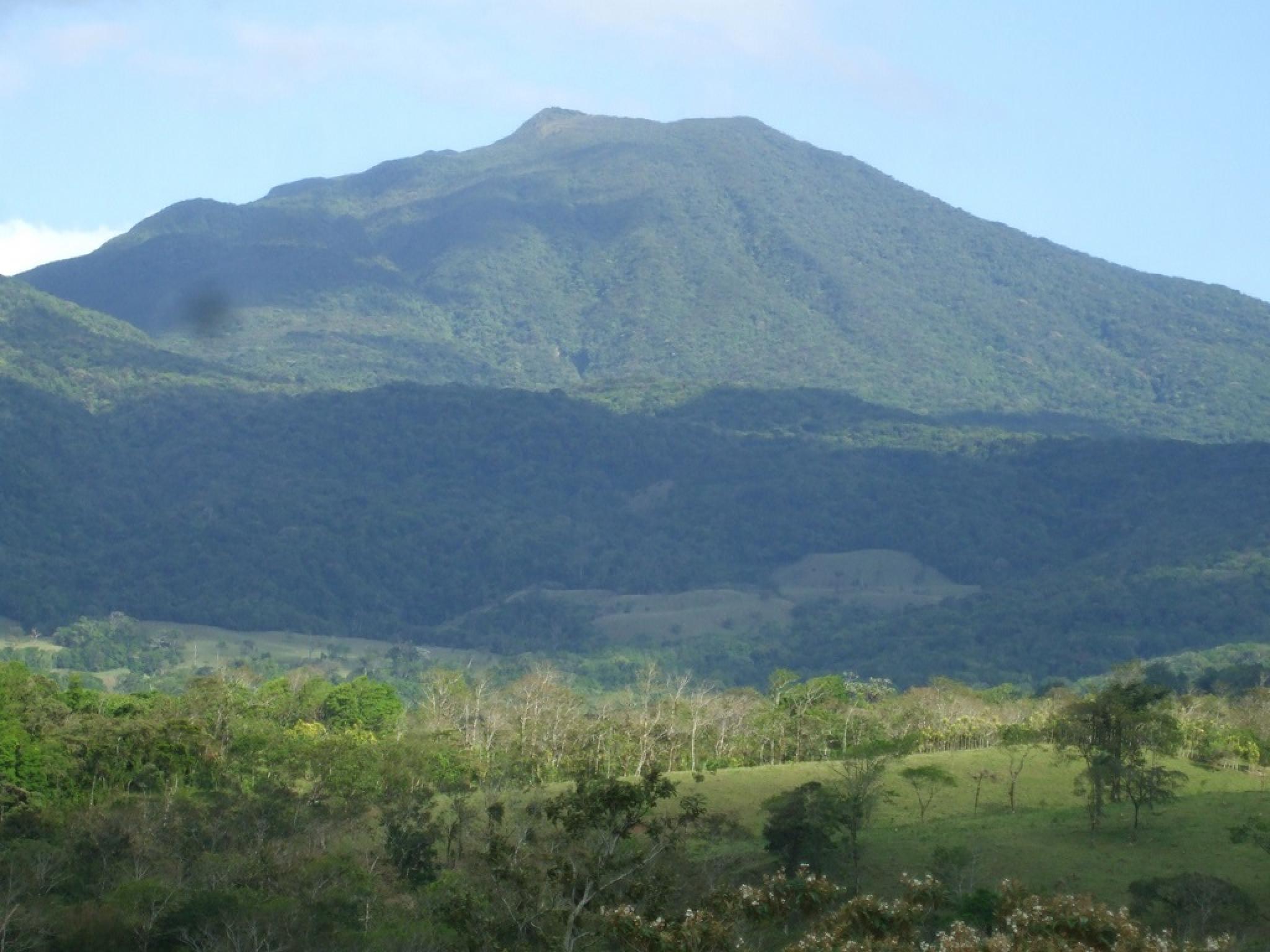
In northern Costa Rica, between the provinces of Guanacaste and Alajuela, lies a landscape shaped by volcanoes, rivers, and tropical forests. The region surrounding Tenorio Volcano and Miravalles Volcano is one of the country’s most fascinating ecosystems, where biodiversity, volcanic geology, and lush rainforest come together to form a truly unique environment.
At the heart of this landscape sits Tenorio Volcano National Park, home to the famous Río Celeste as well as dense tropical rainforest filled with extraordinary wildlife. The park protects thousands of acres of primary forest, providing a sanctuary for species such as jaguars, tapirs, sloths, monkeys, and hundreds of bird species.
The volcanic soils of the region are incredibly fertile, supporting vibrant vegetation and a variety of ecosystems that range from rainforest valleys to misty mountain ridges. Water is also abundant here. Rivers, waterfalls, and underground thermal systems flow through the landscape, creating an environment that feels alive and constantly evolving.
The influence of the nearby volcanoes plays an important role in shaping the terrain. Over thousands of years, volcanic activity has created mineral-rich soils, hot springs, and geological formations that contribute to the distinctive character of the region. Even today, the land around Miravalles remains geothermally active, supplying renewable energy through geothermal plants that harness the heat beneath the earth’s surface.
For visitors and residents alike, this natural environment creates a powerful sense of connection to the land.

Beyond the national park, the surrounding countryside around Bijagua de Upala forms an important buffer zone that connects protected forests with agricultural landscapes and wildlife corridors. This combination of conservation and rural life is one of the defining characteristics of the region.
Local farms, forest reserves, and eco-tourism projects coexist alongside protected areas, helping preserve the natural environment while supporting sustainable livelihoods for local communities. Many landowners in the region actively participate in conservation efforts, protecting forests and maintaining wildlife habitats on their properties.
Because of this, the area has become a haven for birdwatchers and nature enthusiasts. Bijagua is home to the famous Heliconias Hanging Bridges, as well as numerous nature reserves where visitors can observe rare bird species such as the three-wattled bellbird, motmots, toucans, and hummingbirds.
The region’s rich ecosystem also contributes to the lifestyle appeal of living in the volcanic highlands. Properties are often surrounded by lush vegetation, natural springs, forest views, and the constant presence of wildlife.
For those seeking a deeper connection to nature, this environment offers something rare: a place where biodiversity remains vibrant and where development still respects the surrounding landscape.
As Costa Rica continues to grow as a global destination for eco-tourism and sustainable living, regions like the Tenorio and Miravalles highlands represent some of the country’s most valuable natural assets.
At Bioleste, we believe this unique ecosystem is one of the defining features that makes the Bijagua region so special — a place where natural beauty, conservation, and thoughtful development can coexist.
Discover eco-luxury homes, development land, and investment opportunities in the fertile highlands of Bijagua — just one hour from Liberia International Airport
.jpeg)